

 EN
EN

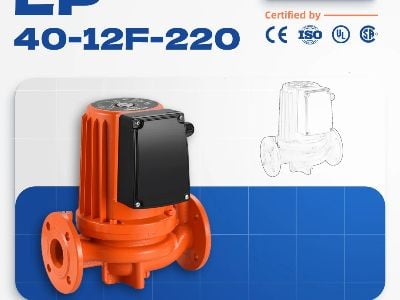
Selecting the right heating circulation pump is crucial for ensuring optimal performance in various applications. This technical guide will help you understand how to size your heating circulation pump effectively. It will address key buyer concerns, such as performance requirements, material selection, and cost factors, providing practical insights to assist purchasing managers, engineers, and product managers in making informed decisions.
How to Choose the Right Size for Your Heating Circulation Pump?
Choosing the right size for your heating circulation pump involves understanding the specific requirements of your application. Key factors include the flow rate, head pressure, and system layout.
Flow Rate: This is the volume of water the pump needs to circulate, typically measured in liters per minute (L/min) or gallons per minute (GPM). Calculate the flow rate by considering the total heat load of the system and the temperature difference (ΔT) between the supply and return lines. An undersized pump may lead to inadequate heating, while an oversized pump can cause excessive energy consumption and equipment wear.
Head Pressure: This refers to the pressure required to overcome the resistance in the piping system. It is essential to account for factors such as pipe length, diameter, and any bends or fittings. A pump with the right head pressure ensures efficient operation and prevents issues such as cavitation.
System Layout: Assess the layout, including the vertical lift and horizontal distance the pump must cover. A detailed piping schematic can help determine the most suitable pump size and type for your setup.
By carefully evaluating these factors, buyers can select a heating circulation pump that meets their application needs efficiently.
Where to Source Reliable Heating Circulation Pumps Wholesale?
When sourcing heating circulation pumps wholesale, it’s vital to find manufacturers with a proven track record and reliable supply chains. Here are some considerations:
Reputable Manufacturers: Look for established manufacturers like Taizhou Lixing Pump Co., Ltd., which specializes in various types of pumps and has experience in international markets. Verify their manufacturing capabilities, certifications, and product range.
Quality Assurance: Ensure that potential suppliers have stringent quality control processes in place. This includes thorough testing of pumps before shipment to confirm they meet specified performance standards.
Customization Options: Some applications may require tailored solutions. Check if the manufacturer offers customization services, such as specific material choices or dimensions, to meet your unique requirements.
Reviews and References: Research customer reviews and request references from previous clients to gauge the reliability and performance of the supplier's products.
Sourcing from reputable manufacturers ensures you receive high-quality in floor heating circulation pump that are suitable for your applications.
Cost Factors to Consider When Sizing a Heating Circulation Pump
Understanding the cost factors associated with sizing a heating circulation pump is essential for budget planning. Here are the main aspects to consider:
Initial Purchase Price: The size and specifications of the pump will directly influence its purchase price. Larger pumps or those with advanced features may have higher upfront costs.
Operating Costs: Beyond the initial investment, consider the energy efficiency of the pump. A well-sized pump can reduce energy consumption significantly, impacting long-term operational costs. Look for energy-saving models that can offer lower energy bills.
Maintenance and Repair: Factor in the anticipated maintenance costs over the pump's life cycle. Pumps that are too large for their application may incur more wear and tear, leading to increased maintenance and repair expenses.
Installation Costs: Depending on the complexity of the system, installation costs can vary. Ensure that the selected pump size aligns with existing infrastructure to minimize additional installation expenses.
By evaluating these cost factors, buyers can make informed decisions that balance performance and budget considerations.
Applications of Heating Circulation Pumps in Various Industries
Heating circulation pumps are versatile and find applications across multiple industries, including:
Residential Heating: In homes, these pumps are crucial for floor heating systems and wall-hung boilers, providing efficient heat distribution to living spaces.
Commercial Facilities: Businesses often utilize heating circulation pumps for HVAC systems, ensuring consistent climate control in offices, retail locations, and other commercial environments.
Agricultural Irrigation: In agricultural settings, pumps help circulate warm water for greenhouse heating or irrigation systems, promoting optimal plant growth.
Industrial Processes: Industries such as food processing, pharmaceuticals, and chemical manufacturing use heating circulation pumps to maintain temperature control in various production processes.
Understanding the specific applications of underfloor heating circulation pump allows buyers to select the right model for their industry needs.
Understanding Material Advantages in Heating Circulation Pumps
The materials used in heating circulation pumps play a critical role in their performance and durability. Here are some common materials and their advantages:
Cast Iron: This traditional material is known for its strength and durability, making it suitable for high-pressure applications. However, it may be prone to corrosion in certain environments.
Stainless Steel: This material offers excellent corrosion resistance, making it ideal for applications involving aggressive fluids or where hygiene is a concern, such as in food and beverage processing.
Bronze: Often used for smaller pumps, bronze provides good corrosion resistance and is suitable for potable water applications. Its durability makes it a reliable choice for various environments.
Plastic: For specific applications, such as in corrosive environments, plastic pumps can be a lightweight and cost-effective alternative. They are particularly useful in agricultural and chemical applications.
When selecting a heating circulation pump, consider the material's compatibility with the fluid being pumped, the environmental conditions, and the expected operational lifespan. This ensures optimal performance and minimizes the risk of premature failure.
By understanding these material advantages, buyers can make informed choices that align with their specific requirements.
Table of Contents
- How to Choose the Right Size for Your Heating Circulation Pump?
- Where to Source Reliable Heating Circulation Pumps Wholesale?
- Cost Factors to Consider When Sizing a Heating Circulation Pump
- Applications of Heating Circulation Pumps in Various Industries
- Understanding Material Advantages in Heating Circulation Pumps