

 EN
EN

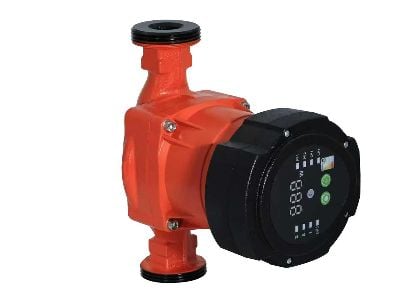
Choosing the right circulation pump for maximum energy efficiency is crucial for any industrial or commercial project. With numerous options available, understanding key specifications and installation requirements can significantly impact operational costs and performance. This article will guide purchasing managers, engineers, and other B2B buyers through the essential factors to consider when selecting circulation pumps, ensuring that they achieve optimal energy efficiency for their specific applications.
How to Choose the Right Circulation Pump for Your Project Needs?
Selecting the right circulation pump begins with understanding the specific requirements of your project. Consider factors such as the intended application whether for residential hot water supply, agricultural irrigation, or commercial heating systems. Each application may demand different pump characteristics, including flow rate, head pressure, and temperature tolerance.
Start by defining the required flow rate, which is typically measured in gallons per minute (GPM) or liters per second (L/s). This figure directly impacts the pump size and efficiency. Next, assess the total dynamic head (TDH), which represents the height the pump needs to overcome, taking into account the elevation of the system and any friction losses in the pipes. The pump's material selection also matters; for example, stainless steel intelligent booster pump may be needed for corrosive environments, whereas cast iron could suffice for less demanding conditions.
Consult with manufacturers, like Taizhou Lixing Pump Co., Ltd., to discuss specifications that align with your project’s demands, including any customization options that may enhance performance or efficiency.
Key Specifications to Evaluate When Selecting Circulation Pumps
When evaluating circulation pumps, focus on several critical specifications:
Flow Rate and Head Pressure: These are fundamental metrics that dictate how effectively the pump can move fluid through your system. Always ensure that the chosen pump can meet or exceed the required flow rate and head pressure.
Power Consumption: Check the pump’s energy efficiency rating. Pumps with variable speed drives can adjust their operation based on demand, significantly reducing energy consumption.
Material Composition: The choice of materials affects both durability and compatibility with the fluid being intelligent pump. For instance, pumps used in heating systems should resist thermal stresses and corrosion.
Motor Type: Consider whether an electric or hydraulic motor suits your application better. Electric motors are often more efficient and easier to control, offering advantages in energy savings.
Certifications: Look for pumps that meet industry standards for safety and efficiency, such as ISO or CE certifications. This ensures reliability and compliance with regulations.
By carefully assessing these specifications, you can choose a circulation pump that aligns with your operational goals and maximizes energy efficiency.
Installation Guidance for Optimal Performance of Circulation Pumps
Proper installation is essential for ensuring the longevity and efficiency of circulation pumps. Begin with a thorough assessment of the installation environment. Ensure that the pump is placed on a stable, level surface to minimize vibration and wear.
Next, follow the manufacturer’s guidelines regarding pipe sizing and layout. Oversized or undersized pipes can lead to inefficiencies and increased energy costs. Additionally, maintain proper clearance around the pump for airflow and maintenance access.
When connecting the pump, use appropriate fittings and ensure that all connections are tight to prevent leaks. It's also crucial to install any necessary valves and pressure gauges to monitor the system’s performance.
After installation, perform a thorough system test to confirm that the pump operates as intended under various load conditions. Regular maintenance checks should also be planned to monitor performance and identify any potential issues before they escalate.
Common Problems with Circulation Pumps and Their Solutions
Circulation pumps can experience various issues that may impact their efficiency and lifespan. Some common problems include:
Cavitation: This occurs when the fluid pressure drops below its vapor pressure, leading to the formation of vapor bubbles. To mitigate cavitation, ensure that the pump is correctly sized and positioned to maintain sufficient inlet pressure.
Overheating: Caused by insufficient flow, overheating can damage intelligent water pump components. Regularly check for blockages in the system and ensure the pump is not running dry.
Vibration and Noise: Excessive vibration can indicate misalignment or imbalance. Regular maintenance and alignment checks can help prevent these issues.
Seal Failures: Wear and tear on seals can lead to leaks. Regular inspections and timely replacements are essential to maintaining system integrity.
By being proactive and addressing these common problems, you can improve the reliability and efficiency of your circulation pumps.
Cost Factors to Consider When Purchasing Circulation Pumps in Bulk
When purchasing circulation pumps in bulk, several cost factors come into play. The initial purchase price is important, but be sure to factor in the total cost of ownership, which includes installation, maintenance, and energy consumption over the pump’s lifespan.
Volume Discounts: Many manufacturers, including Taizhou Lixing Pump Co., Ltd., offer discounts for bulk orders. Always inquire about pricing structures for larger quantities.
Long-Term Energy Costs: Energy-efficient pumps may have a higher upfront cost but can save significantly on energy bills over time. Calculate the expected return on investment (ROI) based on energy savings.
Shipping and Handling: Consider the logistics of transporting pumps to your site. Bulk orders may qualify for lower shipping rates, but ensure you account for any additional handling fees.
Maintenance and Repairs: Factor in the expected maintenance costs, including parts and labor. Opting for pumps with longer warranties or lower maintenance requirements can be a wise investment.
By carefully analyzing these cost factors, you can make more informed purchasing decisions that align with your budget and operational goals.
choosing the right circulation pump for maximum energy efficiency involves careful consideration of project requirements, specifications, installation practices, common issues, and cost factors. By leveraging the expertise of reliable manufacturers, like Taizhou Lixing Pump Co., Ltd., and following best practices, you can ensure optimal performance and efficiency for your circulation pump applications.
Table of Contents
- How to Choose the Right Circulation Pump for Your Project Needs?
- Key Specifications to Evaluate When Selecting Circulation Pumps
- Installation Guidance for Optimal Performance of Circulation Pumps
- Common Problems with Circulation Pumps and Their Solutions
- Cost Factors to Consider When Purchasing Circulation Pumps in Bulk