

 EN

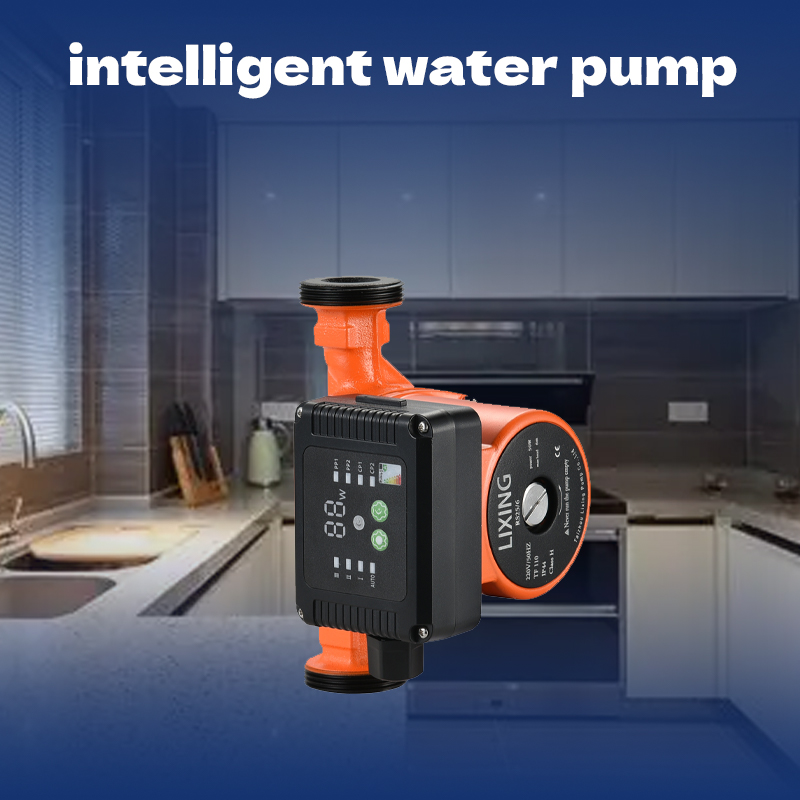
How an ECM Permanent Magnet Motor Circulation Pump Reduces Energy Consumption in Hydronic Systems
In Hydronic systems, energy efficiency is a critical concern for manufacturers and operators seeking to reduce operational costs. An ECM (Electronically Commutated Motor) permanent magnet motor circulation pump stands out as a solution for improving energy consumption. This article explores how ECM pumps can enhance the efficiency of Hydronic systems, best practices for installation, sourcing options, common operational issues, and guidance on selecting the right pump for specific applications.
How ECM Permanent Magnet Motors Improve Hydronic System Efficiency
ECM permanent magnet motors are designed to provide significant energy savings compared to traditional induction motors. These motors utilize permanent magnets to create a magnetic field, leading to higher efficiency and reduced energy consumption. This efficiency is particularly beneficial in Hydronic systems, where pumps are responsible for circulating water for heating and cooling.
One of the primary advantages of ECM motors is their ability to adjust their speed based on the system's demand. This variable speed operation means that the pump only consumes as much energy as needed, avoiding the energy wastage associated with constant-speed smart water pump. For instance, during lower demand periods, the pump can reduce its speed, leading to substantial energy savings over time.
The efficiency of ECM pumps also contributes to lower greenhouse gas emissions, aligning with sustainability goals in the manufacturing and commercial sectors. By selecting an ECM permanent magnet motor circulation pump, operators can significantly reduce their energy costs and environmental footprint.
Best Practices for Installing ECM Circulation Pumps in Hydronic Systems
Proper installation is crucial for maximizing the performance and efficiency of ECM circulation pumps. Here are some best practices to consider:
Correct Sizing: Ensure that the pump is appropriately sized for the system's flow requirements. Oversized pumps can lead to inefficiencies and increased energy consumption. It is advisable to consult with an experienced engineer or manufacturer to determine the right size based on specific flow rates and pressure requirements.
Proper Orientation: Install the pump in a position that allows for easy access and maintenance. Additionally, ensure that the pump is mounted according to the manufacturer's specifications to prevent issues such as cavitation or air locking.
System Compatibility: Verify that the ECM pump is compatible with the existing Hydronic system components. This includes checking for proper connections, valve arrangements, and control systems to ensure seamless integration.
Electrical Connections: Ensure that all electrical connections meet the manufacturer's guidelines to avoid potential electrical issues that could impact performance. Proper grounding and adherence to local electrical codes are also essential.
Testing Before Full Operation: Conduct thorough testing of the pump during initial startup to confirm that it operates within the desired parameters. This includes checking for leaks, noise levels, and flow rates to identify any potential issues early.
Following these best practices can help ensure that ECM circulation pumps deliver optimal performance and energy efficiency in Hydronic systems.
Wholesale Sourcing of Energy-Efficient ECM Circulation Pumps
When sourcing ECM circulation pump, particularly for wholesale purposes, it is essential to evaluate several factors to ensure quality and suitability for your needs.
Manufacturer Reputation: Partner with reputable manufacturers like Taizhou Lixing Pump Co., Ltd., known for its expertise in pump design and manufacturing since 2004. A trusted manufacturer can provide valuable insights into product performance and reliability.
Customization Options: Assess whether the manufacturer offers OEM/ODM/OBM services that allow for customization based on specific application requirements. This can be crucial for meeting unique operational demands.
Minimum Order Quantity (MOQ): Understand the MOQ set by the manufacturer, which can significantly affect purchasing decisions. Assess how the MOQ aligns with your operational scale and inventory management practices.
Quality Certifications: Confirm that the pumps meet relevant quality standards and certifications. This can provide assurance regarding the performance and reliability of the pumps in various applications.
Lead Times and Shipping: Factor in lead times and shipping arrangements, especially for international orders. Timely delivery is essential for maintaining project schedules and operational efficiencies.
By considering these factors, buyers can make informed decisions when sourcing ECM circulation pumps, ensuring they receive high-quality products that meet their specific needs.
Common Issues and Solutions for ECM Circulation Pump Operations
While ECM circulation pumps are designed for optimal performance, some common issues may arise during operation. Understanding these issues and their solutions can aid in maintaining efficient pump performance.
Noise and Vibration: Excessive noise or vibration may indicate an installation issue or an imbalance in the pump system. Ensure that the pump is correctly aligned and securely mounted. Additionally, check for any foreign objects or debris within the pump that may cause disturbances.
Inadequate Flow Rate: If the flow rate is insufficient, it may be due to improper sizing of the pump or blockages in the system. Reassess the pump size based on the system requirements and check for any obstructions in the piping.
Frequent Cycling: Frequent on-off cycling can signal that the pump is oversized or that the system's demand is fluctuating excessively. Consider implementing a variable speed drive to allow the pump to adjust to varying flow requirements more effectively.
Electrical Issues: Electrical problems can manifest as intermittent operation or failure to start. Ensure that all electrical connections are secure and that the pump's power supply meets its specifications. Regularly inspect wiring for wear or damage.
Overheating: Overheating may occur if the pump is running dry or if there is insufficient cooling. Always ensure the pump is properly flooded before starting and consider installing temperature sensors to monitor operating conditions.
By addressing these common issues proactively, system operators can enhance the longevity and performance of ECM circulation pumps.
Choosing the Right ECM Pump for Your Hydronic System Applications
Selecting the correct ECM smart recirculation pump for a Hydronic system application involves understanding specific requirements and evaluating product features. Here are essential considerations to guide the selection process:
Application Requirements: Identify the specific needs of the Hydronic system, including flow rate, pressure head, and temperature ranges. Different applications will have varying requirements that must be met for optimal performance.
Pump Specifications: Review technical specifications such as motor type, efficiency ratings, and power consumption. High-efficiency models will offer better long-term savings, making them a worthwhile investment.
Material Selection: Consider the materials used in the pump construction, especially for applications involving corrosive fluids or extreme temperatures. Ensure that the materials are compatible with the intended application to prevent premature failure.
Customization Needs: If the application has unique specifications, inquire about customization options. Custom features may include specific dimensions, performance characteristics, or control mechanisms tailored to operational needs.
Supplier Support: Evaluate the level of support offered by the supplier, including technical assistance, warranty terms, and after-sales service. A reliable supplier can provide valuable resources throughout the lifecycle of the pump.
By thoroughly assessing these factors, buyers can select the most suitable ECM permanent magnet motor circulation pump for their Hydronic system applications, ensuring reliability and efficiency.
Table of Contents
- How ECM Permanent Magnet Motors Improve Hydronic System Efficiency
- Best Practices for Installing ECM Circulation Pumps in Hydronic Systems
- Wholesale Sourcing of Energy-Efficient ECM Circulation Pumps
- Common Issues and Solutions for ECM Circulation Pump Operations
- Choosing the Right ECM Pump for Your Hydronic System Applications