

 EN

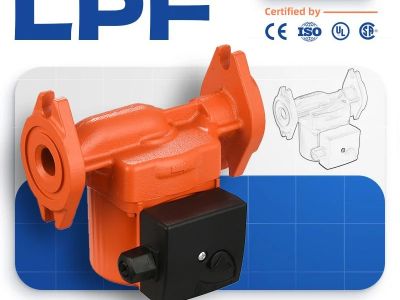
Understanding what boiler OEMs look for in a boiler circulation pump supplier offering OEM and ODM services is crucial for ensuring compatibility, reliability, and performance in their applications. As a purchasing manager or product engineer, you may be concerned about quality, material selection, production capabilities, and the supplier’s ability to meet specific requirements. This article will guide you through the essential considerations for selecting a boiler circulation pump supplier and highlight the key attributes that OEMs prioritize in their partnerships.
What Boiler OEMs Value in a Reliable Circulation Pump Supplier?
Boiler OEMs prioritize several key factors when evaluating circulation pump suppliers. Reliability is paramount; the pumps must function efficiently over extended periods and under varying conditions. This involves selecting a supplier with proven manufacturing capabilities and a track record of quality control. Beyond reliability, OEMs look for suppliers who can offer a comprehensive range of products that meet specific application requirements, such as domestic pressure boosting or floor heating. Another critical aspect is the supplier's ability to provide customization options. Many OEMs require tailored solutions to fit unique system designs or operational needs. This means the supplier should have robust OEM and ODM capabilities, allowing them to adapt designs and materials to meet specific performance standards. Lastly, the supplier’s experience in export markets can also be a deciding factor. A supplier like Taizhou Lixing Pump Co., Ltd., which has extensive experience in international markets and offers a variety of products, can be an asset to OEMs looking for a dependable partner in different regions.
How to Choose a Circulation Pump Supplier for OEM Needs?
Selecting the right circulation pump supplier for OEM needs involves a thorough evaluation process. Start by assessing the supplier’s product portfolio to ensure they offer pumps suitable for your specific application. Consider their manufacturing capabilities: inquire about the production equipment used and the certifications they hold, as these reflect their commitment to quality. Next, look into their quality control processes. A reliable supplier should have rigorous testing protocols in place to ensure that every intelligent booster pump meets performance standards before it leaves the factory. Ask for documentation that demonstrates their quality assurance measures, including any third-party testing or certifications. Additionally, evaluate the supplier’s ability to handle customization. Discuss your project requirements in detail and ask about their experience with similar projects. This will give you an insight into their flexibility and responsiveness. Don’t forget to consider lead times and minimum order quantities (MOQs), as these factors can significantly impact your project timeline and budget.
Where to Find Trusted Suppliers of Circulation Pumps for OEM Projects?
Finding trusted suppliers for circulation pumps requires a strategic approach. Start by researching industry directories and trade shows, where you can find manufacturers specializing in boiler components. Online platforms like LinkedIn can also be useful for networking and finding reputable suppliers.
Industry recommendations and reviews can provide valuable insights into a supplier's reliability and product quality. Engaging with industry forums or groups can help you connect with peers who have experience with specific suppliers. Once you identify potential suppliers, reach out to them with specific inquiries regarding their products, capabilities, and references. A reputable supplier will be transparent about their processes and willing to provide detailed information to help you make an informed decision.
Common Installation Challenges with Circulation Pumps and Solutions
Installation of circulation pumps can present several challenges that OEMs need to address proactively. One common issue is ensuring proper alignment and securing the pump to avoid vibrations that can lead to premature wear. It’s essential to follow the manufacturer's installation guidelines closely, including torque specifications for mounting bolts. Another challenge is ensuring that the pump is correctly sized for the application. An undersized pump may struggle to maintain adequate flow rates, while an oversized pump can lead to excessive energy consumption and operational inefficiencies. To avoid these issues, conduct a thorough analysis of the system requirements and consult the supplier for recommendations on intelligent pump sizing based on specific performance parameters. Additionally, attention should be given to the material compatibility of the pump with the fluids it will handle. For instance, if the pump is intended for use in high-temperature applications, ensure that the materials selected can withstand the thermal stresses involved. Addressing these installation challenges through careful planning and consultation with your supplier can enhance the performance and longevity of the pump in your system.
Understanding Material Advantages for Boiler Circulation Pumps
The choice of materials for boiler circulation pumps is crucial in determining their performance, durability, and suitability for specific applications. Common materials include cast iron, stainless steel, and various polymers, each offering distinct advantages. Cast iron is often favored for its strength and durability, making it suitable for high-pressure applications. It also provides excellent thermal conductivity, which can enhance the efficiency of heating systems. However, care must be taken to prevent corrosion, particularly in applications involving aggressive fluids. Stainless steel, on the other hand, offers superior resistance to corrosion and is ideal for applications involving hot water or aggressive chemicals. Its lightweight nature can also be advantageous in reducing the overall weight of the system.
Lastly, for specific applications where weight and corrosion resistance are paramount, advanced polymers may be employed. These materials can offer significant weight savings and resistance to a variety of chemicals, making them a viable option in certain scenarios. When selecting materials, consider not only the operational requirements but also the intelligent water pump potential environmental factors, such as temperature fluctuations and chemical exposure. Engaging with your supplier regarding material selections based on these factors will ensure that the chosen pump will perform reliably in its intended application.
Table of Contents
- What Boiler OEMs Value in a Reliable Circulation Pump Supplier?
- How to Choose a Circulation Pump Supplier for OEM Needs?
- Where to Find Trusted Suppliers of Circulation Pumps for OEM Projects?
- Common Installation Challenges with Circulation Pumps and Solutions
- Understanding Material Advantages for Boiler Circulation Pumps