

 EN

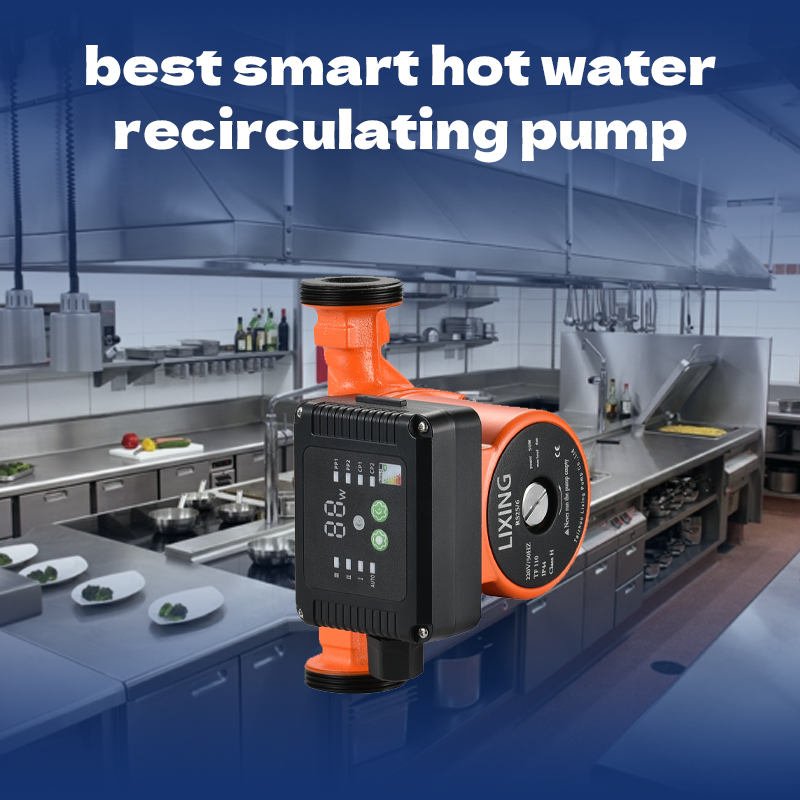
Variable speed water pumps are essential components in dynamic systems, providing flexibility and efficiency in various applications. As a B2B buyer, understanding the benefits of using these smart electric water pump can significantly influence your purchasing decisions, particularly regarding performance, energy consumption, and operational costs. This article will delve into the key specifications to evaluate, installation guidance, common problems and solutions, quality control measures, and applications of variable speed water pumps across different industries.
Key Specifications to Evaluate in Variable Speed Water Pumps
When selecting a variable speed water pump, several key specifications should be carefully evaluated to ensure optimal performance for your specific application. Here are the most critical factors:
Flow Rate: The flow rate, typically measured in gallons per minute (GPM) or liters per second (L/s), indicates how much water the pump can move within a given time. For dynamic systems, it’s essential to match the pump's flow rate with the system requirements to prevent inefficiencies.
Pressure Range: Variable speed pumps should have a pressure range that suits your operation. Under- or over-pressurization can lead to system failures or inefficiencies. Understanding the maximum and minimum operating pressure can help in choosing the right model.
Motor Type and Efficiency: The efficiency of the motor affects the overall energy consumption of the pump. Look for pumps with high-efficiency motors, which can save on energy costs over time. Additionally, consider whether a permanent magnet motor or an induction motor would be more suitable for your specific application.
Control System: The control system is crucial for adjusting the pump's speed according to demand. Systems with advanced monitoring capabilities can optimize performance and reduce wear and tear. Evaluate whether the pump features smart technology for remote monitoring and management.
Materials of Construction: The materials used in the pump's construction impact its durability and suitability for different environments. For example, pumps exposed to corrosive substances should be made from corrosion-resistant materials. Verify that the materials align with your operational conditions.
Installation Guidance for Variable Speed Water Pumps in Projects
Proper installation is vital to ensure the efficiency and longevity of variable speed water pumps. Here are some guidelines to follow during installation:
Location: Choose a location that minimizes the distance between the pump and the water source. This reduces energy loss and enhances efficiency. Ensure the area is well-ventilated to prevent overheating.
Mounting: Ensure the pump is mounted securely to reduce vibrations and noise. A stable mounting base can also prolong the life of the pump.
Electrical Connections: Adhere to the electrical specifications outlined in the pump's manual. Proper wiring is crucial for the performance of the variable speed controller. Ensure that the power supply matches the motor's voltage and phase requirements.
Piping Configuration: Use appropriately sized piping to prevent back pressure and ensure smooth water flow. The layout should minimize bends and elbows, which can create turbulence and reduce efficiency.
Testing: After installation, conduct a thorough test of the system to check for leaks, proper operation, and ensure that the pump responds effectively to varying demands.
Common Problems with Water Pumps and Effective Solutions
Variable speed water pumps, while efficient, can encounter several common issues. Understanding these problems and their solutions can help maintain operational integrity:
Cavitation: This occurs when the pressure in the pump drops below the vapor pressure of the liquid, leading to bubbles that can damage the pump. To mitigate cavitation, ensure the pump is correctly sized for the application and that the inlet conditions are optimized.
Overheating: If the pump motor overheats, it can lead to premature failure. Regular maintenance, including checking for dust accumulation and ensuring proper ventilation, can help prevent this issue.
Inconsistent Flow: Fluctuations in flow can arise from blockages or improper control settings. Regular inspection of the pump and associated piping can help identify and rectify these issues.
Electrical Failures: Electrical issues can stem from poor wiring or compatibility problems. Ensure that all electrical components meet the manufacturer’s specifications and conduct regular inspections.
Seal Failures: Worn or damaged seals can lead to leaks. Regularly inspect seals and replace them as necessary to prevent water loss and maintain efficiency.
Quality Control Measures for Manufacturing Variable Speed Pumps
Quality control is crucial in the manufacturing of variable speed water pumps to ensure reliability and performance. Here are key measures to implement:
Material Inspection: All materials should be inspected for quality before production begins. This includes verifying specifications for corrosion resistance and durability.
Dimensional Accuracy: Utilize precision measuring tools during the manufacturing process to ensure all components meet the required specifications. Dimensional inaccuracies can lead to operational failures.
Performance Testing: Each water pressure pump for home should undergo rigorous performance testing to ensure it meets the required flow rate and pressure specifications. Testing under real-world conditions can provide valuable insights into potential issues.
Final Inspection: Before shipment, conduct a final inspection to confirm that all components function correctly and meet quality standards. This step can help catch any last-minute issues that may have arisen during production.
Documentation and Traceability: Maintain detailed records of materials, processes, and inspections. This traceability can be beneficial for addressing any future concerns related to pump performance.
Applications of Variable Speed Water Pumps in Various Industries
Variable speed water pumps find applications across a wide range of industries due to their adaptability and efficiency. Here are some notable applications:
Residential Water Supply: In residential settings, these pumps are used to maintain consistent water pressure for domestic use, such as in showers and faucets. The ability to adjust flow rates based on demand enhances comfort and energy savings.
Agricultural Irrigation: Farmers utilize variable speed pumps to optimize water usage for irrigation. By adjusting the flow based on soil moisture levels, these pumps can significantly reduce water waste and improve crop yields.
Industrial Processes: In manufacturing, variable speed pumps can be used for circulating coolants or chemicals. The smart water pump ability to adapt to changing process demands ensures efficient operation and reduces energy consumption.
Heating and Cooling Systems: In HVAC systems, variable speed pumps provide precise control over heating and cooling, enhancing energy efficiency and comfort levels in commercial buildings.
Fire Protection Systems: These pumps are also essential in fire protection systems, where they ensure adequate water pressure and flow during emergencies.
In summary, variable speed water pumps offer numerous benefits in dynamic systems, including energy savings, operational efficiency, and adaptability across various applications. By understanding their specifications, installation requirements, common issues, quality control measures, and applications, buyers can make informed decisions that enhance their operations and contribute to long-term savings.
Table of Contents
- Key Specifications to Evaluate in Variable Speed Water Pumps
- Installation Guidance for Variable Speed Water Pumps in Projects
- Common Problems with Water Pumps and Effective Solutions
- Quality Control Measures for Manufacturing Variable Speed Pumps
- Applications of Variable Speed Water Pumps in Various Industries