

 EN

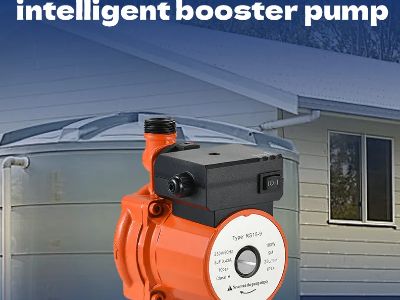
Maintaining consistent flow with a home water pressure booster unit is essential for ensuring optimal water delivery across residential and commercial applications. These booster pump units are particularly valuable in scenarios where municipal water pressure is inadequate, affecting daily activities such as showering, washing dishes, and watering gardens. This article will address key buyer concerns, including specifications, purchasing tips, and common problems associated with these booster systems, helping you make informed decisions for your water pressure needs.
Understanding the Applications of Home Water Pressure Booster Units
Home water pressure booster units are designed to enhance water flow and pressure in residential settings where the existing supply is insufficient. They are commonly utilized in multi-story buildings, homes located at high elevations, or areas with low municipal water pressure. These systems can also be beneficial in agricultural irrigation and light commercial applications, where consistent water supply is crucial.
By maintaining a stable pressure, these booster units ensure that water reaches all faucets, appliances, and irrigation systems effectively, preventing issues like low flow rates and inconsistent water delivery. Understanding the specific application requirements, such as the number of fixtures served and peak water demand, is vital when selecting an appropriate water booster pump unit.
Key Specifications to Evaluate in Water Pressure Booster Units
When evaluating water pressure booster units, several key specifications should be considered to ensure compatibility with your system and efficiency in operation:
Flow Rate: Measured in gallons per minute (GPM), the flow rate indicates how much water the unit can deliver. It’s crucial to choose a booster that meets or exceeds the peak demands of your household or application.
Pressure Rating: This is typically expressed in pounds per square inch (PSI). A unit with adjustable pressure settings allows for customization based on your specific needs, which can be vital in preventing pipe damage from excessive pressure.
Pump Type: The type of pump—be it centrifugal or positive displacement—affects the performance and efficiency of the booster. Centrifugal pumps are often preferred for residential applications due to their ability to handle varying flow rates effectively.
Power Consumption: Energy efficiency is a growing concern. Look for units with energy-saving features that can reduce operational costs over time.
Material Quality: Components made from corrosion-resistant materials, like stainless steel or reinforced plastics, can enhance durability and longevity, especially in environments with varying water quality.
By understanding these specifications, buyers can better assess which automatic booster pump unit will fit their needs and provide reliable performance over time.
Wholesale Purchasing Tips for Home Water Pressure Booster Systems
When considering wholesale purchases of home water pressure booster systems, several factors can enhance your buying experience:
Minimum Order Quantity (MOQ): Many manufacturers, including Taizhou Lixing Pump Co., Ltd., set MOQs based on production capabilities. Confirming this upfront can save time and ensure you meet supplier requirements.
Customization Options: Many manufacturers offer custom solutions tailored to specific applications. Discuss any unique requirements with the supplier to ensure the product meets your exact specifications.
Samples and Prototypes: Requesting samples before committing to large orders is advisable. This allows you to inspect the build quality and performance under actual operating conditions.
Lead Times: Understand the expected production and delivery timelines. This is critical for project scheduling, especially if the booster units are part of a larger installation.
Quality Assurance: Inquire about the manufacturer’s quality control processes. Certifications and adherence to industry standards can provide assurance of product reliability.
By focusing on these purchasing aspects, you can streamline the procurement process and ensure you are selecting the right products for your needs.
Comparing the Quality of Leading Home Water Pressure Booster Brands
When selecting a home water pressure booster, comparing the quality of different brands is essential. Look for:
Reputation and Reviews: Investigate the reputation of manufacturers in the industry. Customer reviews and case studies can provide insight into long-term performance and reliability.
Warranty and Support: Quality brands often offer warranties that reflect their confidence in the product. Evaluate the terms and conditions of these warranties and the level of customer support available.
Technical Specifications: Review the specifications provided by different brands. Ensure that the performance metrics, such as flow rate and pressure capabilities, align with your project requirements.
Innovation and Technology: Some brands may incorporate advanced technologies such as variable speed drives or integrated smart features, which can enhance efficiency and user control.
Material and Build Quality: Assess the materials used in construction. Brands that prioritize high-quality, durable materials will likely offer better longevity and performance.
By carefully comparing these aspects, you can identify a brand that not only meets your operational needs but also aligns with your quality expectations.
Addressing Common Problems with Home Water Pressure Booster Systems
While home water pressure booster systems are designed to enhance water delivery, they can encounter common issues that may affect performance:
Cavitation: This occurs when the pressure drops too low, causing vapor bubbles to form and collapse violently within the pump. It can lead to severe damage over time. Ensuring the unit is properly sized and that the inlet pressure is sufficient can mitigate this risk.
Air Lock: Sometimes, air can become trapped in the system, preventing water from flowing correctly. Regular maintenance, including purging air from the system, can help maintain optimal operation.
Noise and Vibration: Excessive noise may indicate improper installation or sizing issues. Ensure that the unit is mounted securely and that vibrations are minimized through proper isolation techniques.
Electrical Issues: Problems with power supply, such as fluctuations or inadequate voltage, can affect the unit's performance. Regularly check electrical connections and ensure compliance with local electrical standards.
Maintenance Requirements: Regular maintenance, including filter changes and inspections, is essential for optimal performance. Establish a schedule based on the manufacturer's recommendations to prevent operational issues.
By understanding these common problems, buyers can proactively address potential issues, ensuring long-term reliability and performance of their water pressure booster systems.
Maintaining consistent flow with a home water pressure booster unit not only enhances functionality but also improves overall user satisfaction. By focusing on the right specifications, understanding purchasing strategies, comparing quality, and addressing common challenges, buyers can make informed choices that lead to successful water delivery solutions.
Table of Contents
- Understanding the Applications of Home Water Pressure Booster Units
- Key Specifications to Evaluate in Water Pressure Booster Units
- Wholesale Purchasing Tips for Home Water Pressure Booster Systems
- Comparing the Quality of Leading Home Water Pressure Booster Brands
- Addressing Common Problems with Home Water Pressure Booster Systems