

 EN
EN

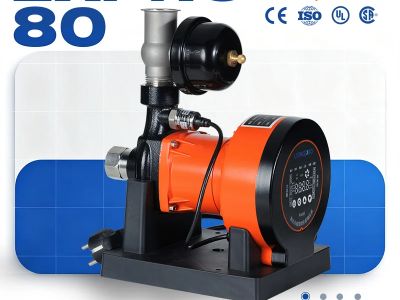
При избор на бустерна помпа за промишлени цели е от съществено значение да се разбират ключовите характеристики, за да се вземе обосновано решение. Бустерните помпи играят решаваща роля за повишаване на налягането на водата в различни промишлени приложения, включително напояване, производствени процеси и търговски операции. B2B-купувачите – като мениджъри по набавки и инженери – често поставят най-висок приоритет върху фактори като надеждност, ефективност и адаптивност при избора си. В тази статия ще бъдат представени ключовите характеристики, които трябва да се имат предвид при избор на бустерна помпа, за да се опрости процесът на покупка и да се гарантира изборът на подходящо решение за вашите специфични нужди.
Ключови характеристики, които трябва да се имат предвид при избор на бустерна помпа за търговия на едро
При избора на усилващо помпено устройство за търговия на едро трябва да се оценят няколко ключови характеристики, за да се гарантира оптимална производителност и надеждност. Първо, оценете дебита и номиналното налягане на помпата, тъй като тези спецификации определят колко ефективно устройството може да пренася течности в конкретното ви приложение. Помпа, която не отговаря на изискванията за дебит, може да доведе до експлоатационни неефективности или простои. След това обърнете внимание на материалите, използвани при изработката на помпата. Висококачествени материали като неръждаема стомана или бронз осигуряват по-голяма издръжливост и устойчивост към корозия – особено важно в промишлени среди, където могат да присъстват агресивни химикали. Освен това търсете помпи с ефективни уплътнителни системи, за да се предотвратят течове и да се гарантира продължителен срок на експлоатация. Друга важна характеристика е енергийната ефективност на помпата. Моделите с висока енергийна ефективност могат значително да намалят експлоатационните разходи с течение на времето, което ги прави по-устойчив избор. Търсете умен усилващ насос които отговарят на стандартите за енергоспестяване или са оборудвани с променливи скоростни задвижвания, които позволяват настройки според търсенето. Накрая, вземете предвид съвместимостта на помпата с вашите съществуващи системи. Уверете се, че бустерната помпа може да се интегрира безпроблемно с текущата ви инфраструктура, включително размерите на тръбите и връзките, за да се избегнат скъпи модификации.
Как да оцените качеството на промишлените бустерни помпи при закупуване?
Оценката на качеството на промишлените усилвателни помпи включва няколко стъпки, които в крайна сметка могат да повлияят на вашето дългосрочно задоволство и експлоатационната ефективност. Започнете с проверка на репутацията и опита на производителя в отрасъла. Утвърдените компании, като Taizhou Lixing Pump Co., Ltd., често имат доказано послужно време в производството на надеждни продукти. След това прегледайте сертификатите и съответствието с отрасловите стандарти. Сертификати като ISO 9001 показват, че производителят спазва принципите за управление на качеството, което може да успокои купувачите относно надеждността и безопасното използване на продукта. Освен това проучете процесите за контрол на качеството, прилагани по време на производството. Ефикасна система за осигуряване на качеството гарантира, че всеки интелигентна водна помпа отговаря на зададените стандарти за производителност. Това може да включва тестване под налягане, инспекции на материала и оценки на производителността. Накрая, обмислете възможността да поискате пробни екземпляри преди извършване на голяма поръчка. Тестването на пробен бустерен помпа при вашите специфични експлоатационни условия ви позволява да оцените неговата производителност и пригодност лично, което намалява риска от проблеми след покупката.
Спецификации, на които трябва да обърнат внимание строителните предприемачи при избора на надеждни бустерни помпи
Когато подизпълнителите търсят бустерни помпи, някои спецификации стават критични, за да гарантират избора на подходящия продукт за своите проекти. Първо, трябва да се прегледат хидравличните характеристики на помпата. Тези характеристики дават представа как ще работи помпата при различни разходи и налягания, което позволява на подизпълнителите да изберат помпа, съответстваща на изискванията на проекта. Друга жизненоважна спецификация е типът двигател и мощното му изпълнение в конски сили. Изборът на подходяща мощност на двигателя гарантира, че помпата ще може да поеме необходимата товарна капацитетност без излишно износване. Освен това трябва да се вземат предвид размерът и теглото на помпата, тъй като те могат да повлияят на логистиката при инсталацията и съвместимостта с вече съществуващите системи. Важно е и конструкцията на помпата. Обърнете внимание на функции като самоподаващо се действие, което може да опрости инсталацията, както и способността да обработва твърди частици, ако приложението изисква това. Освен това, имайте предвид удобството при поддръжката интелигентна водна помпа проектирани с достъпни компоненти, които осигуряват ефективно обслужване и минимизират простоите по време на ремонт. Накрая, обърнете внимание на гаранцията и поддръжката, предоставени от производителя. Пълна гаранция и бързо реагираща клиентска поддръжка могат да осигурят спокойствие, като гарантират лесен достъп до помощ при възникване на проблеми.
Бустерни помпи за индустриални приложения
Бустерните помпи играят ключова роля в различни индустриални приложения – от повишаване на налягането на водата в производствени обекти до подпомагане на системите за напояване в селското стопанство. Разбирането на специфичните изисквания на вашето приложение е от съществено значение за избора на най-подходящата помпа. Например в селскостопански условия помпите трябва да могат да осигуряват променливи разходи, за да отговарят на променящите се нужди от напояване. Помпите, оборудвани с променливи честотни преобразуватели (VFD), са предимство, тъй като позволяват реалновременни настройки според потребностите от вода. В производството, където постоянството на налягането е критично за процеси като охлаждане или затопляне, изборът на помпа, която може да поддържа стабилно налягане при променящи се потребности, е особено важен. Помпите, проектирани за висока ефективност и ниски изисквания за поддръжка, често се предпочитат в тези среди, за да се намалят експлоатационните разходи. Освен това в търговски приложения – например в сгради и други обекти – бустерните помпи са незаменими за осигуряване на адекватно водоснабдяване на различните етажи. Изборът на помпа с подходящо налягане за многоетажни сгради е задължителен, за да се гарантира правилната подаване на вода.
Често срещани проблеми с усилващите помпи и ефективни решения
Въпреки тяхната надеждност, бустерните помпи могат да срещнат проблеми, които засягат производителността им. Един често срещан проблем е кавитацията, която възниква, когато налягането в помпата падне под парното налягане на течността. Това може да доведе до повреди и намалена ефективност. За да се намали този риск, е необходимо помпата да е подходящо размерена за конкретното приложение и да работи в препоръчания диапазон на налягане. Друг проблем е натрупването на отломки или утайка в помпата, което може да затрудни нейната работа. Редовното поддържане, включващо почистване и инспекция, може да помогне за предотвратяване на този проблем. Освен това, използването на филтри може да минимизира проникването на твърди частици в помповата система. Могат да възникнат и течове поради износени уплътнения или неправилна инсталация. Редовната проверка на уплътненията и гарантирането, че помпата е инсталирана правилно, могат да намалят вероятността от течове. Ако все пак се появят течове, незабавното им отстраняване е от съществено значение, за да се предотвратят допълнителни повреди и да се запази ефективността на експлоатацията. Накрая, електрическите проблеми – като например повреда на мотора или нестабилност в електрозахранването – могат да нарушат работата на помпата. Прилагането на правилни електрически проверки и осигуряването, че помпата е свързана към стабилно електрозахранване, може да помогне за предотвратяване на такива проблеми. Като разберат тези чести проблеми и техните решения, купувачите могат да вземат обосновани решения при избора на бустерни помпи и да гарантират, че ще изберат надежден продукт, отговарящ на техните експлоатационни изисквания.
Съдържание
- Ключови характеристики, които трябва да се имат предвид при избор на бустерна помпа за търговия на едро
- Как да оцените качеството на промишлените бустерни помпи при закупуване?
- Спецификации, на които трябва да обърнат внимание строителните предприемачи при избора на надеждни бустерни помпи
- Бустерни помпи за индустриални приложения
- Често срещани проблеми с усилващите помпи и ефективни решения